
Digital marketing for small businesses is no longer optional.
It is a necessity.
Customers search online before buying anything.
If your business is not visible online, you lose opportunities every day.
This complete guide explains small businesses simply.
No technical jargon.
No confusing terms.
Just clear strategies that work.
What Is Digital Marketing for Small Businesses?
Digital marketing for a small business means promoting products or services using online platforms.
It includes:
- Search engines like Google
- Social media platforms
- Websites and blogs
- Email campaigns
- Paid advertisements
The main goal is simple.
👉 Reach the right people
👉 Build trust
👉 Increase sales
Small businesses use digital marketing to compete with larger brands without huge budgets. Google’s SEO Starter Guidehttps://developers.google.com/search/docs/fundamentals/seo-starter-guide
Why Digital Marketing for Small Businesses Is Important
Traditional marketing is expensive.
Digital marketing is affordable and measurable.
Here is why digital marketing for small businesses matters:
- Customers search online first
- You reach local and global audiences
- You control your budget
- You track performance in real time
- You build long-term brand value
A strong online presence creates credibility.
People trust businesses they find on Google.
How Digital Marketing Helps Small Businesses Grow
Digital marketing works at every stage of the customer journey.
It helps people:
- Discover your business
- Learn about your services
- Trust your brand
- Make a purchase
- Come back again
This makes digital marketing for small businesses powerful and scalable. Online marketing helps small brands grow online. using SEO, content, and social media.
If you are just starting, understanding the basics is important.
👉 If you are new to SEO, you can start by reading our
SEO for beginners.
Key Components of Digital Marketing for Small Businesses
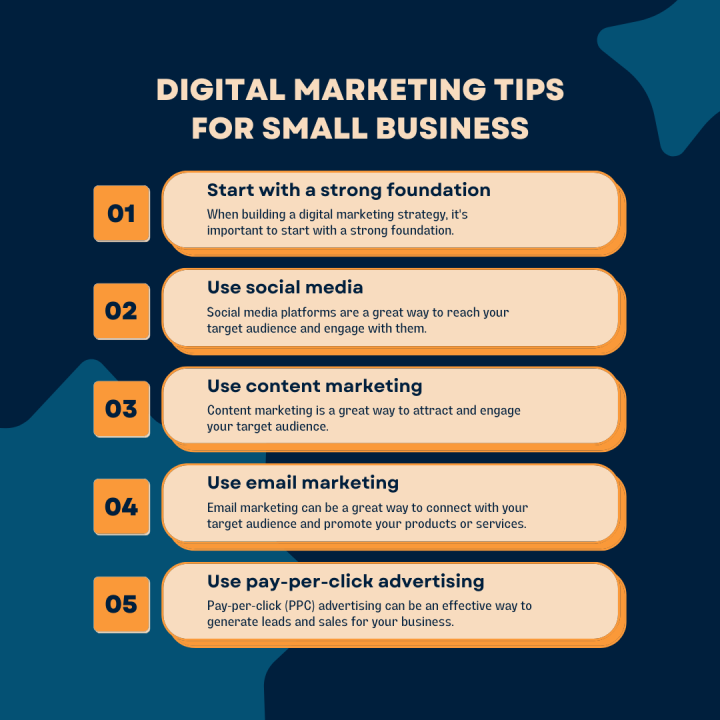
1. Search Engine Optimization (SEO)
It helps your website rank on Google.
When customers search for your service, SEO brings them to your site.
SEO includes:
- Keyword research
- On-page optimization
- Quality content
- Fast loading speed
- Mobile-friendly design
SEO delivers long-term results.
It brings organic traffic without paying for ads.
2. Content Marketing
Content marketing educates your audience.
It builds trust.
It supports SEO.
Examples of content:
- Blog posts
- Guides
- Videos
- Infographics
Good content answers questions.
It solves problems.
To understand this in detail, read our complete guide on
content marketing.
3. Social Media Marketing
Social media connects you with customers.
It builds relationships.
It increases brand awareness.
Best platforms for small businesses:
- YouTube
Post regularly.
Engage with comments.
Use reels and short videos.
Social media supports digital marketing for growth.
4. Email Marketing
Email marketing has a high return on investment.
It helps you stay connected with customers.
You can use emails to:
- Share offers
- Send updates
- Promote blogs
- Retain customers
Email marketing builds loyalty and repeat sales.
5. Pay-Per-Click Advertising (PPC)
Paid ads give quick results.
You can run ads on:
Start with a small budget.
Test campaigns.
Optimize results.
PPC works well with a digital growth approach for local businesseswhen done correctly.
| Channel | Purpose |
|---|---|
| SEO | Long-term organic traffic |
| Social Media | Brand visibility |
| Content Marketing | Trust building |
| Paid Ads | Quick leads |
How to Start Digital Marketing for a Small Business
Starting digital marketing does not need a big budget.
Follow these 5 steps so you can easily understand it.
Step 1: Build a Professional Website
Your website is your digital foundation.
It should be:
- Fast
- Mobile-friendly
- Easy to navigate
- Secure (HTTPS)
A good website improves trust and conversions.
Step 2: Choose the Right Keywords
Keyword research is crucial.
Focus on one main keyword per page.
For this blog, the focus keyword is:
👉 Digital Marketing for Small Business
Use it naturally in:
- Title
- Meta description
- URL
- Headings
- Content
Avoid keyword stuffing.
Step 3: Create High-Quality Content
Content should be:
- Helpful
- Original
- Easy to read
Use short paragraphs.
Use bullet points.
Use headings.
This improves readability and SEO score.
Step 4: Optimize On-Page SEO
On-page SEO improves rankings.
Optimize:
- Title tags
- Meta descriptions
- Headings
- Images with ALT text
- Internal links
On-page SEO is essential for digital marketing for small businesses.
Step 5: Promote Your Content
Publishing is not enough.
Promote content on:
- Social media
- Email newsletters
- WhatsApp groups
Promotion increases reach and traffic.
Best Digital Marketing Strategies for Small Businesses
Local SEO
Local SEO targets nearby customers.
Optimize:
- Google Business Profile
- Local keywords
- Customer reviews
Local SEO is powerful for service-based businesses.
Blogging for SEO
Blogging improves visibility.
It attracts organic traffic.
It positions you as an expert.
Consistent blogging strengthens digital marketing strategy for small brands
Video Marketing
Videos engage users quickly.
Use videos to:
- Explain services
- Share tips
- Show testimonials
Videos improve conversion rates.
Influencer Collaboration
Micro-influencers are affordable.
They have engaged audiences.
Influencer marketing supports brand trust.
Common Digital Marketing Mistakes Small Businesses Make
Avoid these mistakes:
- Ignoring SEO
- Posting without a strategy
- Not tracking performance
- Using copied content
- Expecting instant results
Digital marketing needs patience and consistency.
Tools for Digital Marketing for Small Businesses
These tools help manage campaigns:
- Google Analytics
- Google Search Console
- Canva
- Yoast SEO
- Mailchimp
These tools improve efficiency and performance.
How to Measure Digital Marketing Success
Track these metrics:
- Website traffic
- Keyword rankings
- Conversion rate
- Engagement rate
- Return on investment
Data helps you improve strategies.
How Long Does Digital Marketing Take to Show Results?
Digital marketing is not instant.
SEO takes time.
Paid ads give faster results.
Content builds long-term growth.
Consistency brings success.
Future of Digital Marketing for Small Businesses
Digital marketing keeps evolving.
Trends to watch:
- AI-driven marketing
- Voice search optimization
- Short-form video content
- Personalization
Small businesses that adapt early grow faster.
Final Thoughts
Digital marketing for small businesses is a powerful growth tool.
It helps you:
- Reach customers
- Build trust
- Increase sales
Start small.
Stay consistent.
Focus on value.
Success will follow.
Digital Marketing for Small Businesses and Customer Experience
Customer experience matters a lot.
People do not only buy products.
They buy experiences.
digital marketing strategy for small brands improves customer experience online.
A clean website feels professional.
Fast pages feel reliable.
Helpful content makes users happy.
Easy contact options build comfort.
A good experience turns visitors into buyers.
Importance of Website Speed in Digital Marketing
Website speed affects everything.
Slow websites lose users.
Fast websites keep attention.
marketing strategy for small enterprises depends on speed.
Google prefers fast websites.
Users leave if pages load slowly.
This increases bounce rate.
Improving speed improves rankings and conversions.
Digital Marketing for Small Businesses and Mobile Users
Most users browse on phones.
Mobile traffic is very high.
Digital marketing for small businesses must focus on mobile users.
Buttons should be clickable.
Text should be readable.
Mobile-friendly websites perform better.
They rank better on Google.
Mobile optimization is essential today.
Role of Blogging in Digital Marketing for Small Businesses
Blogging builds authority.
It answers customer questions.
Marketing strategy for small enterprises grows with blogging.
Each blog attracts new visitors.
Blogs improve keyword rankings.
They bring organic traffic.
Regular blogging creates long-term value.
Content Planning for Small Businesses
Random posting does not work.
Planning is important.
digital marketing strategy for small brands works best with planning.
Create a content calendar.
Plan blogs monthly.
Plan social posts weekly.
Planning saves time and improves results.
Digital Marketing for Small Businesses and Local Customers
Local customers convert faster.
They trust nearby businesses.
digital marketing strategy for small brands should target local searches.
Use location-based keywords.
Add local content on your website.
Update Google Business Profile.
Local focus increases leads and calls.
Importance of Reviews and Ratings
Reviews influence decisions.
People trust reviews.
Digital marketing for small businesses benefits from positive reviews.
Reviews build social proof.
Encourage happy customers to leave reviews.
Respond to reviews politely.
Reviews improve trust and visibility.
Digital Marketing for Small Businesses and Trust Signals
Trust signals reduce doubt.
Examples of trust signals:
Contact details
Testimonials
Certifications
Secure website
Digital marketing for small businesses needs trust signals.
They increase confidence.
Trust leads to higher conversions.
Using Simple Language in Digital Marketing
Simple language works best.
Complex words confuse users.
Digital marketing for small businesses should stay simple.
Clear messages attract attention.
Simple language improves readability.
It improves the SEO score.
Clarity always wins.
Digital Marketing for Small Businesses and Branding
Branding creates identity.
It helps people remember you.
Digital marketing for small businesses builds brand image.
Consistent colors matter.
Consistent tone matters.
Brand consistency builds recognition.
Recognition builds trust.
Social Proof in Digital Marketing
People follow people.
Social proof influences behavior.
Digital marketing for small businesses uses social proof.
Show testimonials.
Show case studies.
Real stories build confidence.
Confidence increases sales.
Digital Marketing for Small Businesses and Automation
Automation saves time.
It reduces manual work.
Digital marketing for small businesses can use automation tools.
Email automation saves effort.
Scheduled posts maintain consistency.
Automation improves efficiency.
Importance of Clear Call-to-Action
Call-to-action guides users.
It tells users what to do next.
Digital marketing for small businesses needs clear CTAs.
Examples include:
Contact us
Buy now
Learn more
Clear CTAs increase conversions.
Digital Marketing for Small Businesses and Budget Control
Budget control is important.
Small businesses have limits.
Digital marketing for small businesses allows budget flexibility.
You can start small.
You can scale later.
You control spending.
This reduces financial risk.
Digital Marketing for Small Businesses and Competition
Competition exists everywhere.
Standing out is necessary.
Digital marketing for small businesses creates differentiation.
Unique content helps.
Personal touch helps.
Local focus helps.
Small businesses can compete smartly.
Importance of Analytics and Reports
Analytics show reality.
Guesswork fails.
Digital marketing for small businesses needs analytics.
Track traffic.
Track conversions.
Reports help improve strategy.
Data drives decisions.
Digital Marketing for Small Businesses and Learning Curve
Learning takes time.
Mistakes happen.
Digital marketing for small businesses improves with learning.
Each campaign teaches lessons.
Experience builds confidence.
Confidence improves results.
Learning never stops.
Digital Marketing for Small Businesses and Long-Term Stability
Short-term wins feel good.
Long-term stability matters more.
Digital marketing for small businesses builds stable growth.
SEO compounds over time.
Content keeps working.
Traffic grows steadily.
Stability creates sustainability.
Why Consistency Beats Perfection
Perfection delays action.
Consistency creates results.
Digital marketing for small businesses rewards consistency.
Regular posts matter.
Regular updates matter.
Small steps add up.
Progress beats perfection.
Digital Marketing for Small Businesses and Customer Retention
New customers cost more.
Old customers cost less.
Digital marketing for small businesses focuses on retention.
Email marketing helps.
Follow-ups help.
Value content helps.
Retention increases profits.
Digital Marketing for Small Businesses in Simple Terms
Digital marketing is simple.
Be visible.
Be helpful.
Be consistent.
Digital marketing for small businesses works with patience.
Effort compounds over time.
Simple actions bring big results.
Final Conclusion on Digital Marketing for Small Businesses
Digital marketing is powerful.
It creates opportunities.
Digital marketing for small businesses connects brands with people.
It builds trust online.
It supports growth.
It supports success.
Start today.
Stay consistent.
Grow steadily.